


How to Read Your Kia’s Warning Lights
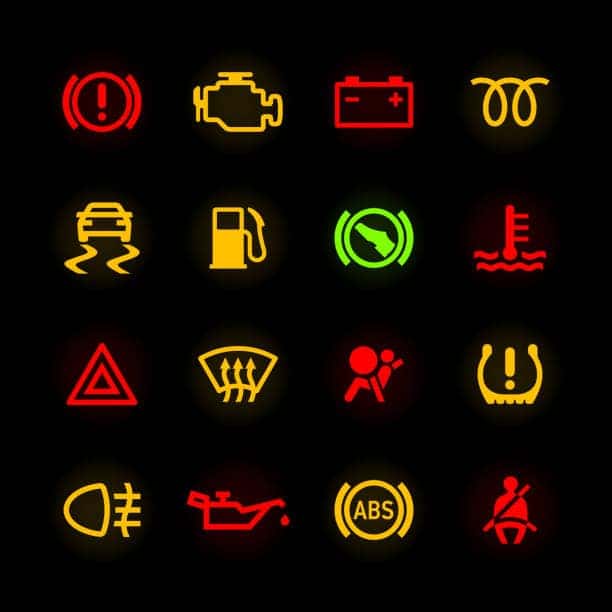
You may not think that cars can speak outside of Pixar movies, but this isn’t entirely the case. Indeed, the vehicles we drive have unique methods of communicating with us. Their engines and other internal components make distinct noises when something is amiss – cries for help that can become recognizable over time. However, the warning icons spread across your dashboard remain your vehicle’s most direct means of communication.
When one of these lights flashes, its imperative that you spring to action. Courtesy of Allentown Kia, here’s what each warning light on your dashboard signifies, as well as steps you should take when they illuminate.
Check Engine
Let’s start with the infamous Check Engine light – the universal indicator that you’re about to have a headache. Generally represented by an illuminated, silhouetted engine icon, this warning is nerve-racking because it could point towards any number of potential issues. You could be looking at a simple fix like a loose gas cap or something as complex as compression loss.
If the Check Engine light comes on while you’re driving – but your vehicle continues operating normally, with no unusual noises – your chances of imminent danger are low, and you can proceed on your course. Once you get home, contact our Service Center, where we’ll investigate your Kia, diagnose the problem, and resolve it as quickly and efficiently as possible.
Battery
The battery warning is convenient because it unmistakably looks like what it’s indicating – your car battery. That’s where the convenience ends, however, as it’s indicating that your battery is either dead or dying. Many will see this icon for the first time alongside the dispiriting whirling or clicking sound of your engine not starting. But even if your car starts normally, don’t ignore the battery light for long – its emergence could signal either a long-term issue with the battery itself or a problem with your Kia’s electrical components or wiring. Fortunately, the certified technicians at Allentown Kia are ready to handle all your battery needs.
Oil Change / Oil Pressure Warnings
This pair of indicators alerts you as to the state of your Kia’s oil. They’re both generally straightforward: the oil pressure warning usually indicates the sensor of your oil pressure sender needs replacing (an inexpensive fix), while the oil change light flashing simply means it’s time for an oil change! Modern engines have recommended oil change intervals of 5,000 to 7,500 miles. If the oil change light flashing coincides with your regular maintenance schedule, drop off your Kia at Allentown Kia and allow us to quickly and painlessly change your oil.
Tire Pressure Warning
Inflating your tires to their proper PSI levels is an important part of maintaining ideal fuel economy. If your tires are under-inflated, the inefficient miles add up quickly – especially during long road trips. Plus, driving on under-inflated tires can lead to potential tire damage. Inflate your Kia’s tires to their recommended PSI levels (usually found on a sticker near the driver door). If the warning light remains, it may be time to hit up Kia’s Tire Source to find the ideal set of new tires for your Kia.
Coolant Temperature
This light indicates your vehicle is overheating and should be acknowledged immediately. If this light – which generally resembles a red thermometer – flashes, pull over at once and allow your engine to cool down. If you feel like your vehicle is safe enough to drive after the engine has cooled, restart it. Take inventory of where you are and how far you must travel to reach our Service Center. If you’re still nearby in the Lehigh Valley – Bethlehem or Coopersburg, for example – you can probably make it, but consider whether your vehicle can realistically make it if you’re a half hour away in Easton.
If you deem the distance drivable, begin driving slowly and carefully, keeping an eye on the temperature gauge as you do so. If the needle swings to the red again, or if steam starts billowing from beneath the hood, pull over once more. Call a friend for a ride, or get a tow from your preferred roadside assistance provider.
Traction Control / Stability Control
This light (represented by a vehicle silhouette leaving a pair of squiggly marks in its wake) indicates a problem with the wheel speed sensor. As a result, your anti-lock brake system will be temporarily disabled. When your traction control light flashes, it’s sometimes accompanied by a humming noise coming from your wheel well. Unlike your other warning lights, the traction control light doesn’t necessarily indicate a problem; instead, it will illuminate when your vehicle is properly fighting to maintain traction on excessively wet or icy roads. When it does flash, maintain your composure, grip the wheel, and continue steering until your regain full control.
We’ll Leave a Light On at Allentown Kia
There are dozens of warning and indicator lights to be found across your dashboard. Some that we haven’t gotten into are self-explanatory – the door open and low fuel lights, for example – while others (airbag warning, lamp out alert) are less common but still require immediate attention. So what’s the comfort to be had in all of these disconcerting lights and symbols? Knowing that your Kia is prepared for anything.
Similarly, we’re prepared for anything at Allentown Kia. Schedule your service appointment today and allow our certified technicians to tend to whatever ails your Kia. Regardless of what you drive – be it the sleek and reliable Kia Forte or the award-winning, all-electric EV9 – we’ll make sure you stay on the road throughout the summer and beyond.


0 comment(s) so far on How to Read Your Kia’s Warning Lights