



The Kia Sorento: Hybrid Or PHEV?

When drivers begin looking for a Kia Sorento hybrid for sale, they will come across two options: the traditional hybrid and another a Plug-in Hybrid Electric Vehicle) (PHEV). Both look similar, so what’s the difference? Knowing the key differences between a PHEV and a Hybrid ensures you’ll get the perfect car for your needs and lifestyle.
If you’re searching for a stylish SUV that can also help you reduce your carbon footprint, a Sorento hybrid is a strong candidate. The good-looking SUV is known for its reliability, affordability, and sporty design. The interior presents generous leg and headroom. With enough seating for up to seven passengers, drivers get the flexibility of comfortable seating and ample cargo space.
The original Kia Sorento has only been around since 2002. The Sorento Hybrid was introduced as part of the fourth generation of Sorentos in 2021—so not that long ago. Still, it’s been long enough for the Sorento to make a splash of green-minded drivers. The following year saw the release of the Sorento PHEV. This is a great model for drivers thinking about going electric but not quite ready to fully commit to the big switch from gas to electric. With PHEV, they can get an idea of what it feels like to charge their car.
The Sorento Hybrid and PHEV are currently still in the fourth-generation Sorento family. And with the release of 2024, you might find this is an eco-friendly car that is worthy of your attention. Yet you’re stumped on which to choose: to go for the hybrid or the PHEV? No worries; let’s check them out together and find the perfect eco-friendly ride to match your needs.
What Makes A Sorento Hybrid?
A Sorento Hybrid means you can cut down on your fuel costs as well as your carbon emissions. Considering the Sorento’s strong silhouette and modern design, it’s a solid win for drivers. It’s a capable and reliable SUV in every way that counts.
The Sorento Hybrid combines a turbo gas engine and electric motor that give drivers over 600 miles of combined range. The latest 2024 model even offers best-in-class fuel economy with a combined MPG of 37 miles. If you’re a commuter or road tripper, a hybrid can save you a bundle every time you hit the road.
A stark difference from a Sorento PHEV is that a Sorento Hybrid doesn’t involve plugging it in to charge. This means you don’t have to worry about stopping at power stations or finding a place at home to power up. If you live in a place with limited parking or nowhere near a power outlet, charging up a PHEV might be a little challenging.
How does a regular hybrid vehicle charge, then? Simply put, a car runs using the combination of the engine and motor. The motor uses energy that is stored in batteries. So, how do those batteries get their energy? Normally, technology like regenerative braking is used along with support from the engine.
Are you familiar with regenerative braking? This mechanism is commonly found in hybrid and electric cars, and if you’re looking for a green vehicle, you should be aware of it. Regenerative braking uses kinetic energy from your vehicle, such as when you’re braking, and transforms that into usable energy that can be stored in your car’s battery for later use. Hybrids like the Sorento that use regenerative braking tend to have lower fuel consumption and are gentler overall on the brakes and engine. A downside to this tech people often note is that the all-electric range of hybrid vehicles is usually smaller than that of PHEV models.
So, while every technology has pros and cons, it’s easy to see that a Sorento Hybrid is a great model with more than its fair share of perks. Before you decide a hybrid is what you want, let’s check out a Sorento PHEV and what is involved when it comes to charging and ownership.
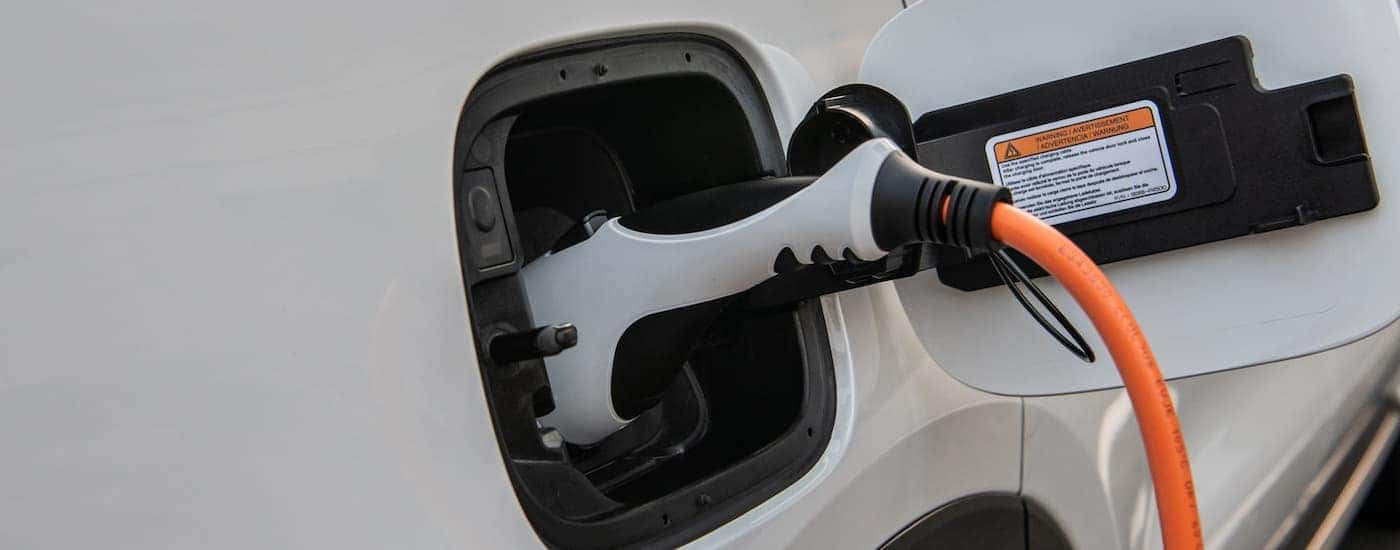
Do I Want A Sorento PHEV?
You love the idea of getting a hybrid, but now you’ve heard about PHEVs. While a PHEV is considered a type of hybrid, it’s different than your typical model, mainly because it involves being plugged in rather than self-charging. Let’s check out the Sorento PHEV and how it differs from the hybrid model. If you don’t have a handy parking spot to charge your vehicle, you might want to consider the Kia hybrid option to make your life a bit easier. However, thanks to the expanding use of public power stations, if you decide to go with a PHEV, it’s easier than ever to charge up when you’re on the road.
The recent 2024 Kia Sorento PHEV brags a combined 79 MPGe, plus an all-electric range of 32 miles. You can see the increase a PHEV brings, with fewer stops at pumps and more mileage for your dollar. A PHEV offers increased driving range because of the larger battery packs, making it easier to travel around town using electricity alone.
Thanks to the vehicle’s convenient portable charging cable, charging up the Sorento PHEV at home or on the go is possible. This versatile cable lets you plug into either a 240-volt or a 120-volt source. While charging is slower when you use the Level 1 120-volt option, it still means where there is an outlet, there is a way to charge your battery. And if for some reason you cannot charge up your battery, the flexibility of a PHEV means you can drive using just fuel alone.
Kia works with ChargePoint to offer drivers the convenience of an at-home 240-volt charging station. Downloading the Chargepoint app makes viewing your vehicle’s battery levels and charging times fast and simple, so you’re always ready to go. If you’re a commuter, getting increased mileage and quick charging can make a difference in your day.
Plugging in your PHEV is as straightforward as plugging in your phone. And when you’re on the go, numerous public power stations mean you can charge up when and where you need to. This allows drivers to go further using less fuel. A PHEV is a great way to introduce yourself to the idea of charging your car. It’s a positive step to take if you’re thinking about someday upgrading your ride to an all-electric vehicle.
Why Own A Hybrid?
Hybrids are taking over the market, and while a lot of people are making the switch to the new eco-friendly technology, we understand that change can make someone anxious. After all, what if something goes wrong? Is having a hybrid expensive? Is it impossible to repair? Who wants to spend extra getting a hybrid or PHEV only to spend your savings on having it maintained?
Well, you can rest easy because a Kia hybrid is a great investment any way you look at it. While a hybrid sometimes has a higher upfront cost, drivers save when it comes to gas and when it comes to overall maintenance. Thanks to the advanced technology, a hybrid system puts less wear and tear on the engine. This means that your car typically needs less maintenance, and your engine tends to last longer. As for routine maintenance, following a regular schedule to have air filters changed and tires rotated is normally the same as a regular car.
As for choosing between a PHEV and a hybrid, this comes down to a few things, mainly charging. If you have the ideal location for powering up your battery at home, or you’re interested in what it’s like to own a charging car, a PHEV might be the perfect stepping stone to learn. Charging is simple and can be done at home or on the road.
What if you simply want to reduce your fuel costs and perhaps don’t have the best place for a plug-in? A Sorento Hybrid would be great for you. The self-charging system means you don’t have to fool with finding a reliable charging spot, and you still save money when it comes to gas.
Choosing the right hybrid for your lifestyle can play a big part if you want to be happy and enjoy your newest model. Luckily, Kia makes a great selection of driver-friendly hybrids, including the Sorento Hybrid and Sorento PHEV. Make the change and save when you pick up your perfect green machine from Kia today!
0 comment(s) so far on The Kia Sorento: Hybrid Or PHEV?