



Understanding Towing and Payload with Used Trucks
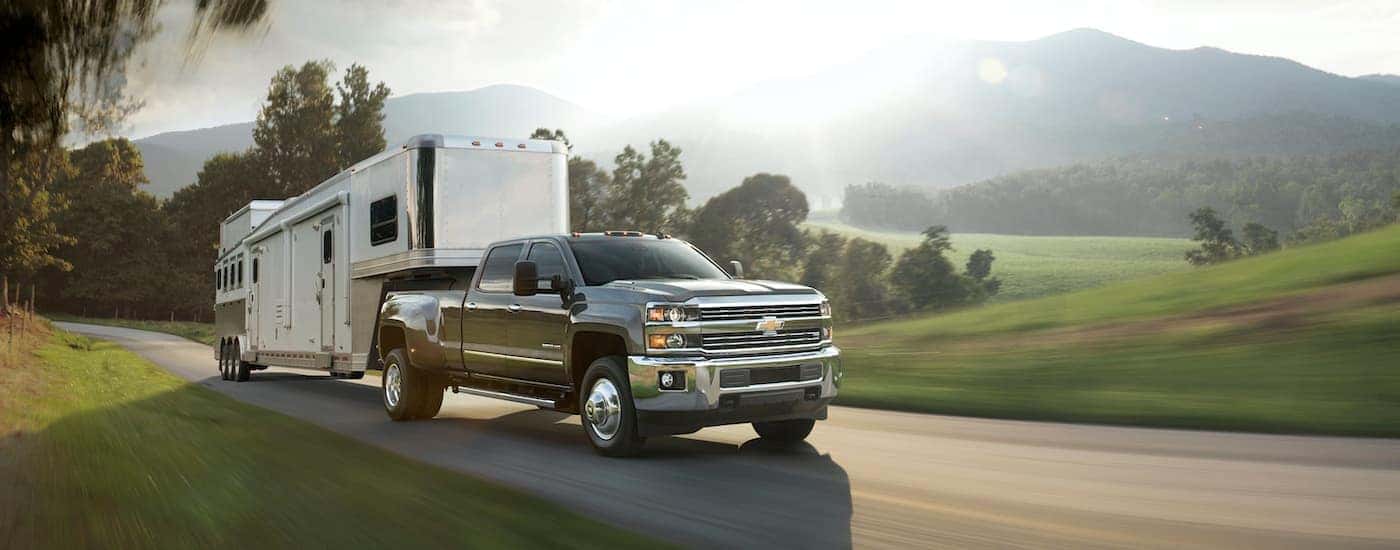
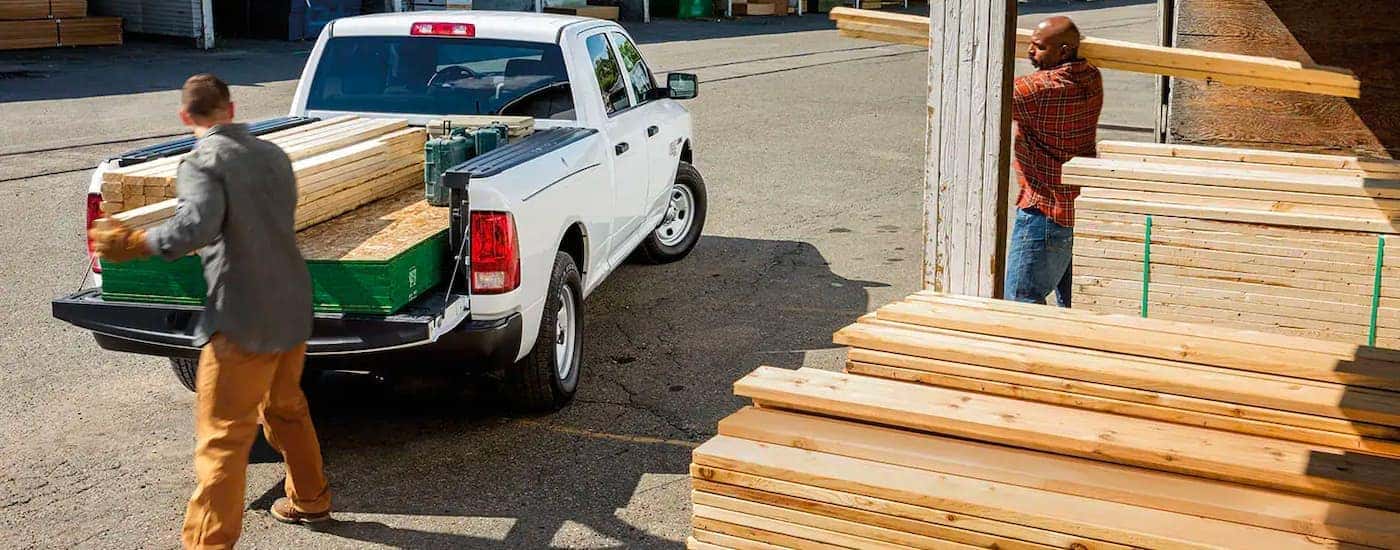
One of the best reasons to buy a pre-owned truck, rather than an SUV or sedan, is for the towing and payload that it can offer. Whether you work in a trade and you need to load up the bed with lumber or drywall, or you like taking a boat or camper with you to enjoy the weekend, there’s nothing quite like the functionality and flexibility that a pickup offers. However, when you’re looking at pre-owned trucks, figuring out exactly what kind of towing and payload each one delivers is not always simple.
Pre-Owned trucks present some unique complications when car shopping, particularly because you can’t customize them with available options and packages. You also can’t pick between different trims and engines like you can with a new model. Since all of these things impact the towing and payload of a truck, it’s important to understand how to figure out these specs for yourself. You can look at old brochures for pre-owned models and try to follow what they indicate, but even then, there are a number of possible capability limits you can come up with. Today, we’re going to look at what you need to know when looking at pre-owned trucks to figure out which one will offer the kind of capacity you need.
Payload vs Towing
First things first: before we get into more detailed information, let’s make sure we’re all on the same page about what “payload” and “towing” actually refer to. These terms are quite simple, but it’s easy to get them confused, and the difference is very important. The payload capacity of a truck is how much weight can be loaded onto it, which includes any cargo and passengers you want in the cab and bed of the truck. On the other hand, towing capacity refers to how much weight a truck can pull behind it through a trailer, camper, or anything else.
An easy way to think of it is that “payload” indicates how much weight a truck can carry, while “towing” refers to how much weight it can pull. Truck manufacturers love to advertise maximum values for these two specs when talking about their trucks, but that’s exactly what it sounds like: a maximum. The reality is that any given model can have a wide range of towing and payload capacities available for it, depending on engines, configurations, and other factors. So, how do you figure out the capacities of a given pre-owned truck you’re looking at?

Brochures and Owner’s Manuals
One good resource when looking at a pre-owned truck for sale is the brochure that the manufacturer originally put out for that vehicle. These can vary a lot from one manufacturer to another, but most of them are very helpful and have a lot of information in them. They’re designed for someone looking to buy a new model, so they show off all of the options available. With truck brochures, they’ll also typically have a chart or table that clearly breaks down the towing and payload capacities for a model with regard to each engine and configuration.
The other resource that we often show to our customers, who are interested in more details about a specific model, is a pre-owned truck’s owner’s manual. Every vehicle is originally sold with an owner’s manual from the manufacturer, which is an amazing resource for understanding everything you want to know about your vehicle. No matter what you’re interested in, it’s always worthwhile to read through this book as it contains details about the different features of your vehicle, the proper schedule for care and maintenance, and much more.
Of particular importance when looking at a pre-owned truck and trying to understand its capabilities are three things: Gross Vehicle Weight Rating (GVWR), Gross Combined Weight Rating (GCWR), and Curb Weight. Don’t worry, these are really quite simple:
Gross Vehicle Weight
The GVWR for a truck indicates the maximum amount of weight a truck’s frame can handle. This includes the weight of the truck body, accessories, gas, passengers, cargo, and everything else.
Gross Combined Weight
In contrast, the GCWR tells you the maximum amount of weight a truck can handle, including any weight it’s pulling behind it (such as with a trailer).
Curb Weight
The curb weight is what your truck weighs without any passengers or extra cargo loaded into it. This is the weight fresh from the manufacturer without anything added.
The GVWR and payload will be listed on the truck’s door jamb sticker, but you will have to look in the owner’s manual or manufacturer’s towing guide to find the other two. When you work with a knowledgeable salesperson, then they can also find these numbers for you. With this information, it’s easy to figure out the payload and towing.
Calculating Payload Capacity
While your truck’s maximum payload is easily listed, you need to take into account the weight of the passengers and anything else you have stashed in the cab before loading up the bed. Also, remember to take into account any aftermarket accessories that are installed on the truck. Simply loading up the truck to its sticker payload can easily put you hundreds of pounds overweight if you don’t make these calculations.
Calculating Towing Capacity
You can similarly determine the maximum towing capacity of a truck by looking at the maximum weight it can handle and pull, and then take away the weight of the truck from this value. So, simply subtract the curb weight from the GCWR in the owner’s manual, and you’ll have the maximum towing capacity of the pickup. The important thing to remember here is that the GCWR includes the weight on the truck itself and anything you’re towing behind you – so as you add weight to the truck, it will impact how much you can tow.
Let’s look at an example: a 2017 Ram 1500 with its available 5.7L HEMI V8 engine can have a GCVWR of up to 15,950 lbs. According to its brochure, it can have up to 10,200 lbs of towing capacity with a 6-foot box and the standard two-wheel drive configuration. However, we know that this value is based on the curb weight of a vehicle – anything we add to the weight of the truck will impact this towing capacity in a way that a number on a page can’t reflect.
By knowing how to figure out towing and payload for yourself, you can get a more realistic estimate for how much weight a pre-owned truck can actually manage. The same 2017 Ram 1500 with its standard 3.6L V6 engine has a maximum towing capacity of 7,600 lbs with the right configuration. But if you and three people are all loaded into the quad cab, and you have a few hundred pounds of drywall in the bed, then your actual towing capacity is going to be much lower than that. So if you’re looking to actually tow 7,000 lbs behind your vehicle, with three or four passengers and a loaded bed, then you need a pre-owned truck with at least 9,000 lbs of towing just to be safe.
Figuring Out What You Need
As you can see, even though this process is pretty simple, it can be a bit overwhelming if you’re looking at numerous trucks and trying to keep all of this information straight. That’s why it’s so important to have someone knowledgeable that you can trust to help you when shopping for a pre-owned truck. Call or come visit us at Allentown Kia today to see our selection of pre-owned pickups, and we’ll help you find the perfect one.
0 comment(s) so far on Understanding Towing and Payload with Used Trucks